History

Open History Magazine

The Order That Would Not Die: The Real Story of the Illuminati
Early Modern

The Order That Would Not Die: The Real Story of the Illuminati

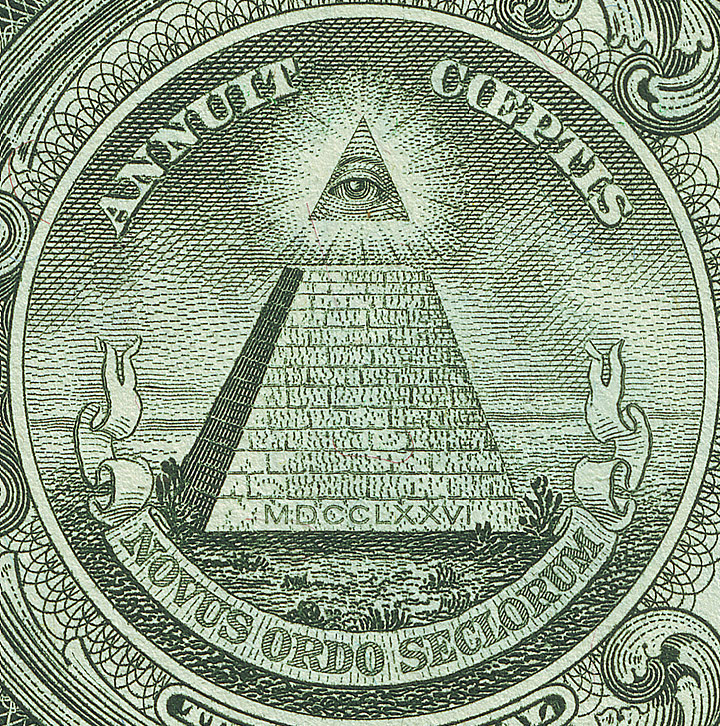
In 1776 a young law professor founded a small secret reading society in Bavaria. It was outlawed within a decade, yet its name now stands for a world-controlling cabal that the historical record does not support.

8 November 2026

The History of Cancer: From Ancient Crabs to Cellular Code

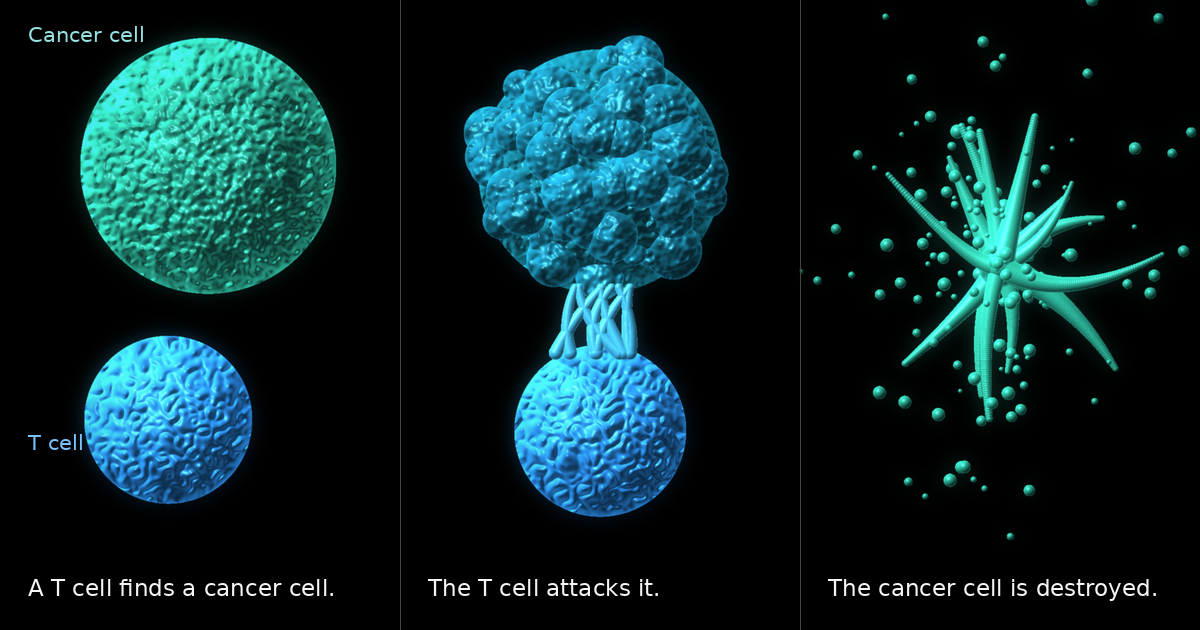
Cancer feels like a modern disease, but it is as old as multicellular life. Dinosaur bones carry tumours. Egyptian mummies carry them too. What is new is our understanding of it. In about 3,600 years, humanity has moved from writing "there is no treatment" on a papyrus to reading the mutations of a single tumour and designing a drug, or even a vaccine, around them. This article follows that journey: what cancer is, how it was discovered, and what medicine uses against it today.
7 November 2026
The History of Cancer: From Ancient Crabs to Cellular Code
Early Modern

The Permanent Settlement of 1793

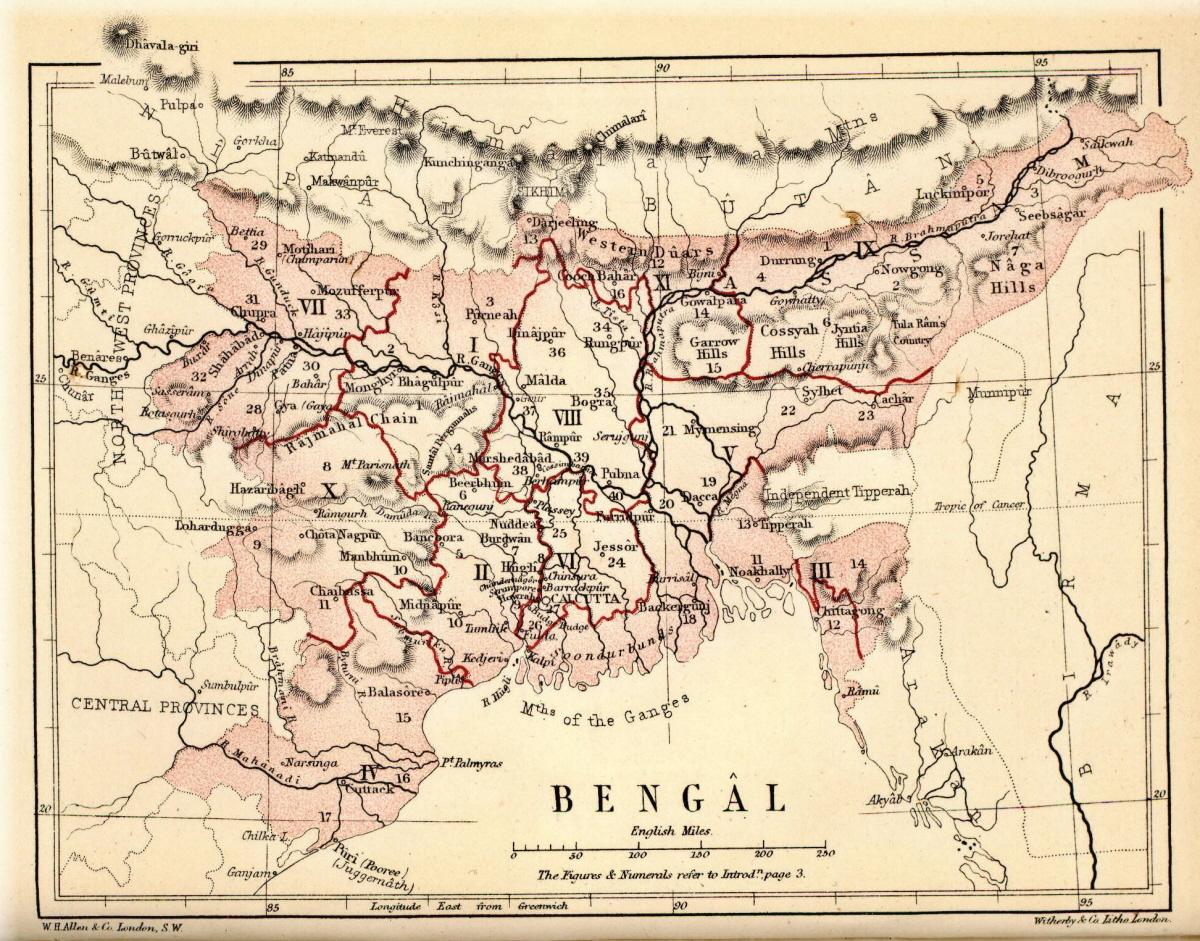
The Permanent Settlement, also known as the Zamindari Settlement, was introduced on March 22, 1793, by Lord Cornwallis, the Governor-General of British India. It was enacted through Regulation I of 1793 and applied primarily to Bengal, Bihar, and Orissa. It fixed the land revenue demand of the East India Company permanently, meaning the amount of tax to be paid by zamindars to the colonial government would never increase regardless of how productive the land became. This was one of the most cons

7 September 2026
The Permanent Settlement of 1793

Specials

View all

Science Hub

View all

Latest articles

Browse the library

European Trading Companies in Asia

View the series

How Portugal, the Netherlands, Denmark and France competed for Asian trade.

Reformers and Dissenters

View the series
The Pagal Panthi Revolt (1825-1835): When Faith Became a Weapon of the Oppressed

The Pagal Panthi Revolt (1825-1835): When Faith Became a Weapon of the Oppressed

In the early nineteenth century, the northern districts of Bengal witnessed a remarkable fusion of spiritual devotion and social rebellion. The Pagal Panthi Revolt of 1825-1835 stands as one of the most significant peasant uprisings against colonial oppression and feudal exploitation in British India. Led by charismatic leaders who combined religious authority with political vision, this movement represented the desperate struggle of marginalised tribal communities fighting for dignity, justice,

31 December 2025
Sudharak: India’s First Dalit Voice and the Birth of Anti-Caste Journalism

Sudharak: India’s First Dalit Voice and the Birth of Anti-Caste Journalism

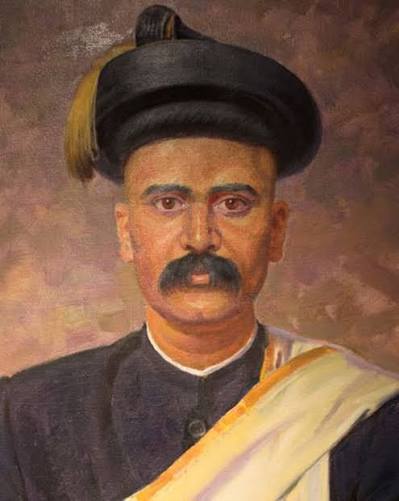
In 1888, at a time when the vast majority of Dalits in India were denied basic literacy and their voices systematically erased from public discourse, a remarkable man named Gopal Baba Walangkar did something unprecedented. He founded Sudharak (सुधारक), meaning “The Reformer”—India’s first newspaper published by and for the Dalit community. This wasn’t merely the launch of another periodical; it was an act of profound defiance against one of history’s most entrenched systems of oppression.

29 December 2025
The Brahmo Samaj: A Critical Reexamination of India’s First Modern Reform Movement

The Brahmo Samaj: A Critical Reexamination of India’s First Modern Reform Movement

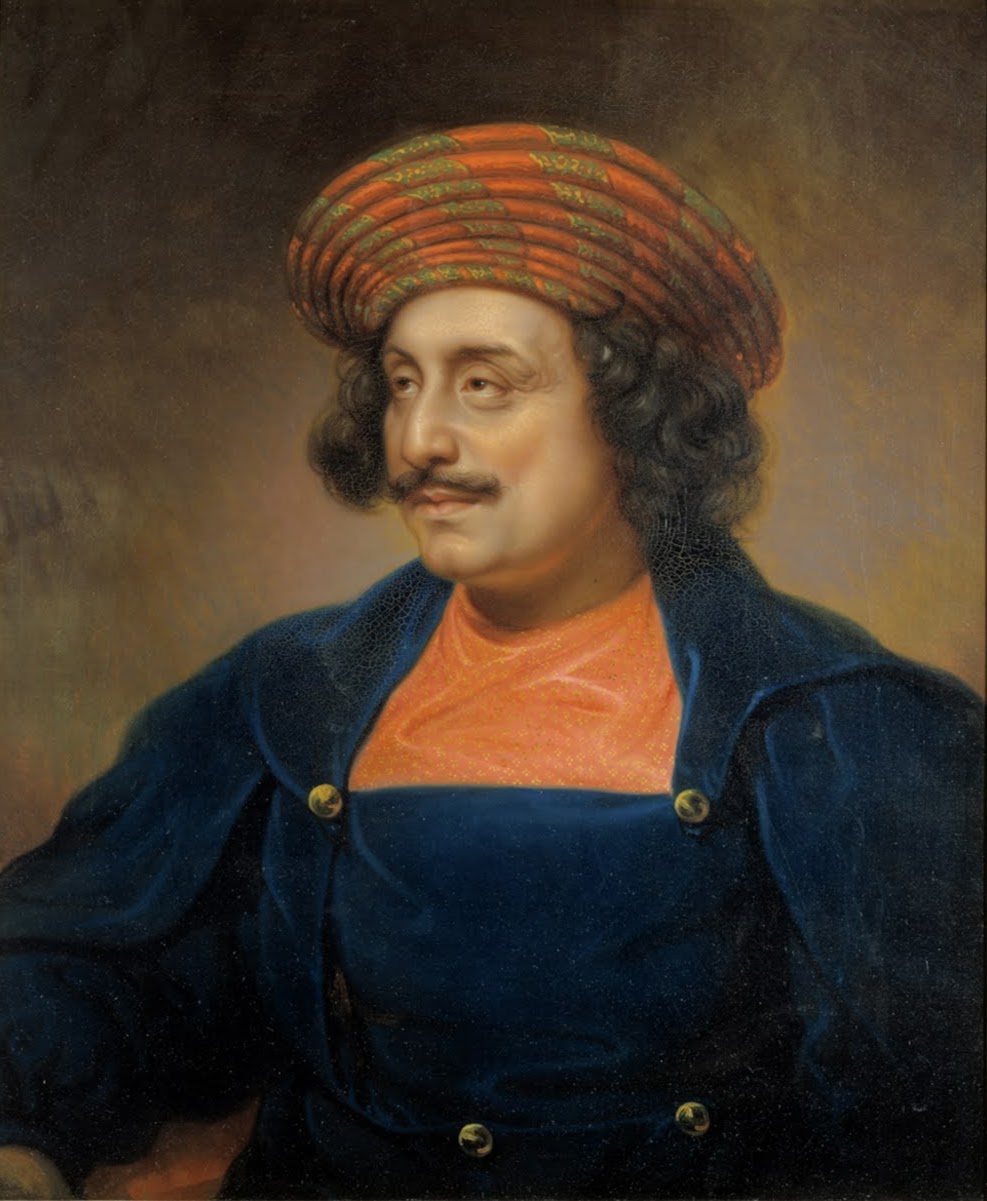
The Brahmo Samaj stands as one of the most significant socio-religious reform movements in modern Indian history. Founded in 1828 by Raja Ram Mohan Roy in Calcutta, it represented the first systematic attempt to reconcile Hindu tradition with Western rationalism and create a reformed religious framework for colonial India. Yet, nearly two centuries later, a critical assessment reveals a movement marked by profound contradictions—one that challenged orthodoxy while reinforcing certain hierarchies

28 December 2025

Explore by era

All topics

By region

By theme